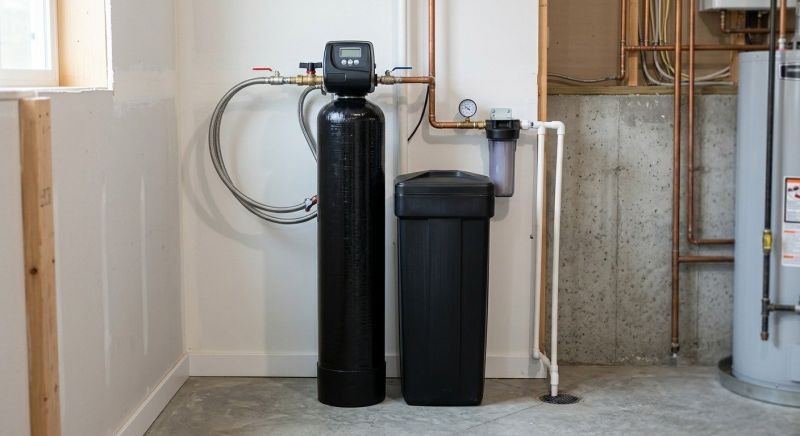
Water Softener Installation in Monmouth County, NJ
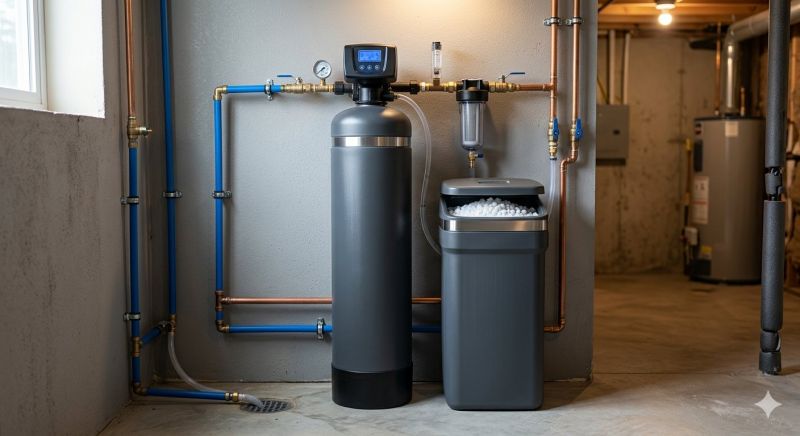
Water softener installation services involve setting up systems that reduce mineral buildup caused by hard water, such as calcium and magnesium. These systems are typically installed in residential properties to improve the quality of water used for daily activities like bathing, laundry, and dishwashing. Projects may include replacing outdated units, upgrading to more efficient models, or installing a new softening system in homes that currently rely on untreated water. Property owners often want to understand the different types of water softeners available, how the installation process works, and any maintenance requirements to ensure optimal performance.
Before requesting water softener installation, homeowners should consider factors such as the size of their household, water usage, and the level of water hardness in their area. It’s also helpful to understand the space available for the system and any plumbing modifications that might be needed. Clarifying these details can assist property owners in selecting the right system for their needs and ensure the installation process proceeds smoothly.
Many property owners in Monmouth County, NJ look into Water Softener Installation for repairs, replacements, upgrades, and appearance-related improvements.
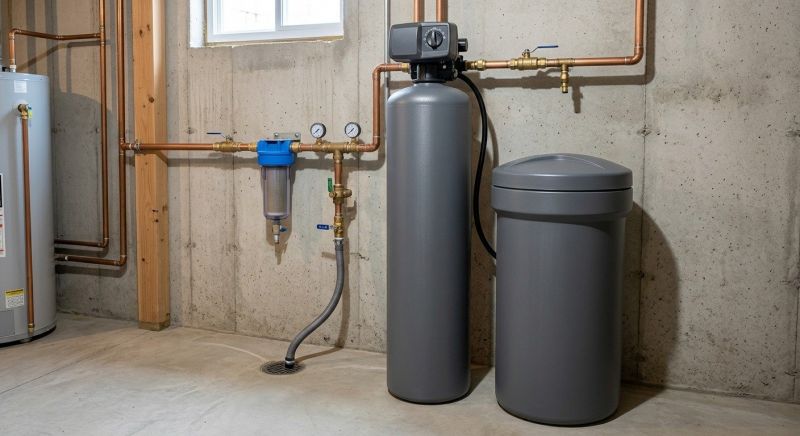
Benefits Of Water Softening
Softened water helps reduce mineral buildup and extends the lifespan of plumbing fixtures.
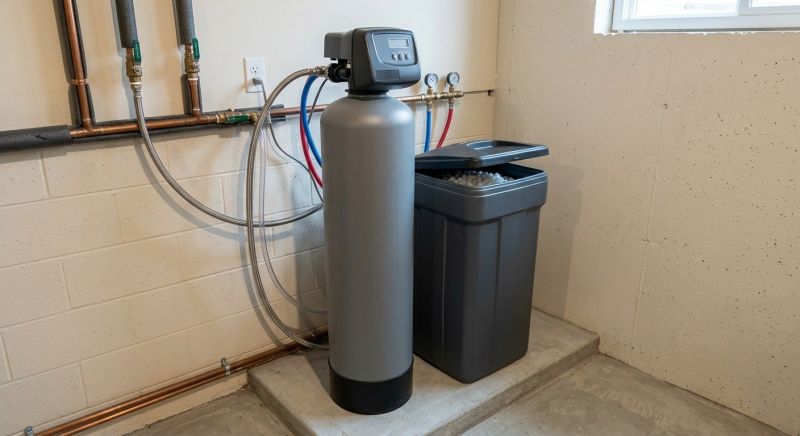
Installation Considerations
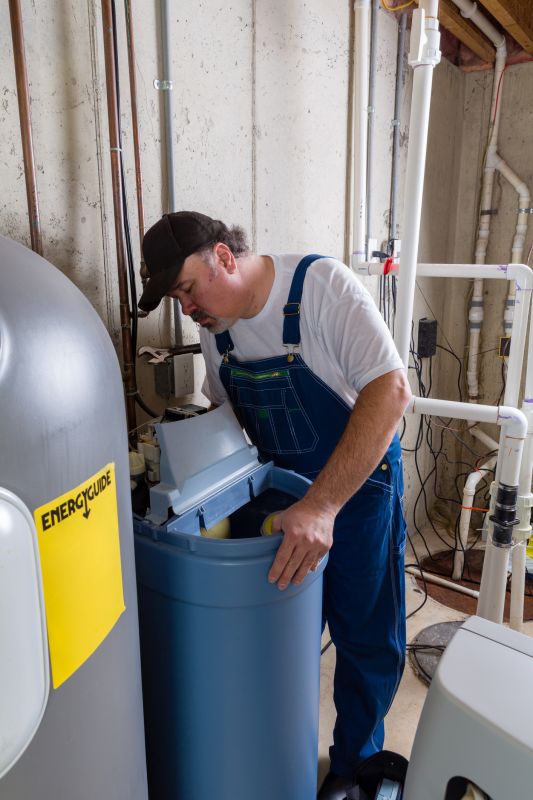
Proper placement and sizing are essential for effective water softener performance in monmouth county homes.
Maintenance And Upkeep
Regular system checks ensure consistent water quality and optimal operation for property owners in the area.
Water Softener Installation in Monmouth County, NJ
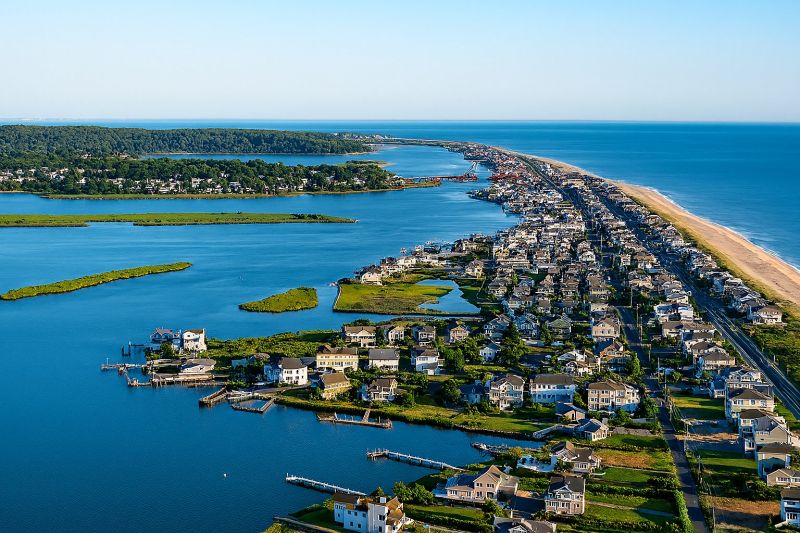
Water softener installation services involve setting up systems that reduce mineral buildup caused by hard water, such as calcium and magnesium. These systems are typically installed in residential properties to improve the quality of water used for daily activities like bathing, laundry, and dishwashing. Projects may include replacing outdated units, upgrading to more efficient models, or installing a new softening system in homes that currently rely on untreated water. Property owners often want to understand the different types of water softeners available, how the installation process works, and any maintenance requirements to ensure optimal performance.
Before requesting water softener installation, homeowners should consider factors such as the size of their household, water usage, and the level of water hardness in their area. It’s also helpful to understand the space available for the system and any plumbing modifications that might be needed. Clarifying these details can assist property owners in selecting the right system for their needs and ensure the installation process proceeds smoothly.
Many property owners in Monmouth County, NJ look into Water Softener Installation for repairs, replacements, upgrades, and appearance-related improvements.
Common Water Softener Installation Jobs
Water Softener Installation - professional setup to reduce hard water scale and improve appliance performance.
Whole-house systems - installation of water softeners that serve the entire property for consistent water quality.
Replacement services - upgrading outdated or malfunctioning water softeners to ensure optimal operation.
Hard water treatment - installation of systems designed to soften water and prevent mineral buildup.
Custom system setup - tailored water softening solutions to meet specific household water needs.
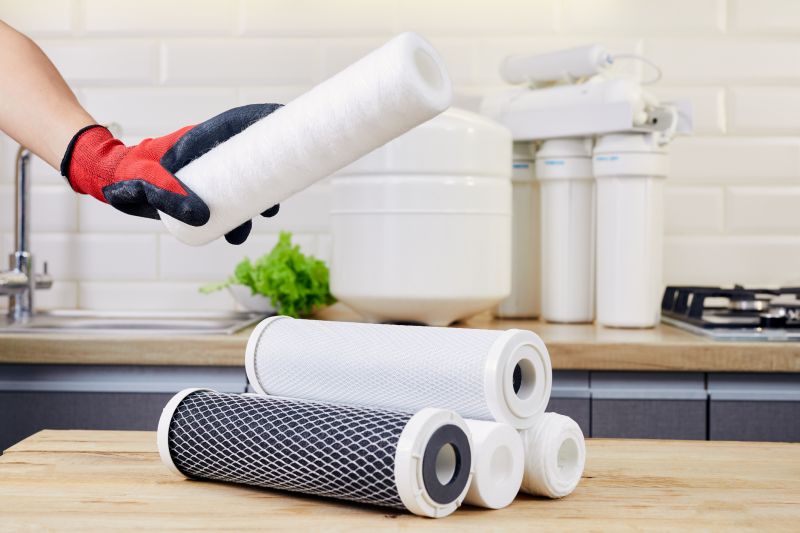
Maintenance-ready installations - systems installed with ease of access for future upkeep and servicing.
Water Softener Installation Questions
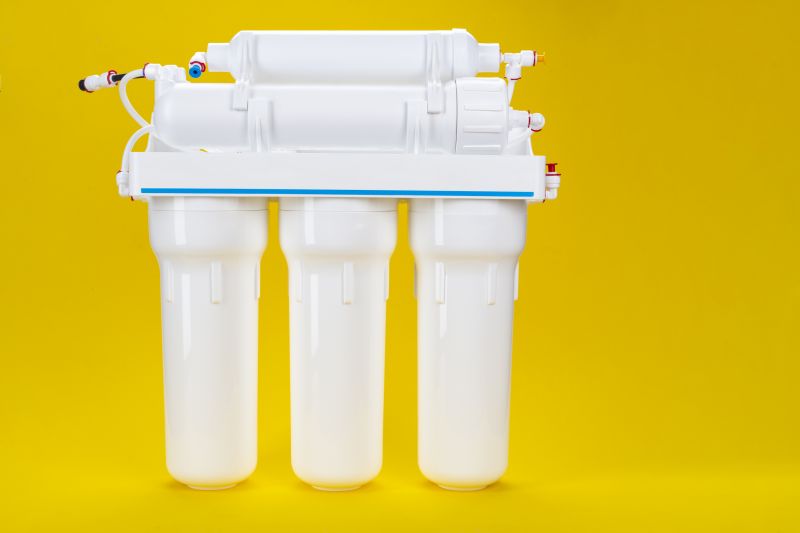
What is a water softener system? A water softener removes minerals like calcium and magnesium that cause hard water, helping to prevent scale buildup and improve water quality.
How does a water softener work? It uses a resin bed to exchange hard minerals with sodium or potassium ions, softening the water as it passes through the system.
Where should a water softener be installed? Typically, it is installed near the main water supply line for easy access to incoming water and to serve the entire property.
What are common signs that a water softener is needed? Signs include soap not lathering well, mineral deposits on fixtures, and reduced appliance efficiency due to mineral buildup.
Request Water Softener Installation in Monmouth County, NJ
Use the quote form on this page to share the basics of your project and request more information for the type of work you need.